
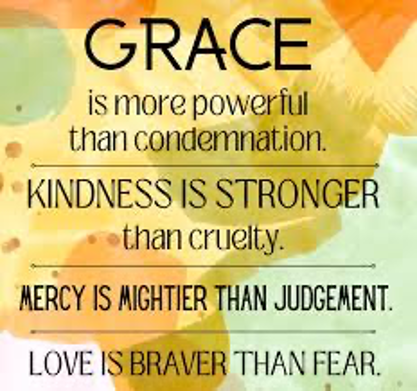
Philippians 2:3 – 4 ESV
Do nothing from selfish ambition or conceit, but in humility count others more significant than yourselves. Let each of you look not only to his own interests, but also to the interests of others.
We live in a world that celebrates personal achievement and self-reliance above all else. That it is a sign of weakness to need or even ask for assistance in any manner. And in so doing we allow both our selfish ambition and pride to guide us into a false sense of what constitutes a successful life.
However, if we are to live as Christians this is contrary to the teachings on which our faith is founded. First, all that we have in this world is but a gift by the grace of God. We have done nothing to earn it. With this realization we then become humble seeing that we are not better than others, but we are all equal in the eyes of God. And through humility we learn to be servants to others just as Christ himself was a servant to us all.
Do nothing from selfish ambition or conceit, but in humility count others more significant than yourselves. Let each of you look not only to his own interests, but also to the interests of others.
We live in a world that celebrates personal achievement and self-reliance above all else. That it is a sign of weakness to need or even ask for assistance in any manner. And in so doing we allow both our selfish ambition and pride to guide us into a false sense of what constitutes a successful life.
However, if we are to live as Christians this is contrary to the teachings on which our faith is founded. First, all that we have in this world is but a gift by the grace of God. We have done nothing to earn it. With this realization we then become humble seeing that we are not better than others, but we are all equal in the eyes of God. And through humility we learn to be servants to others just as Christ himself was a servant to us all.
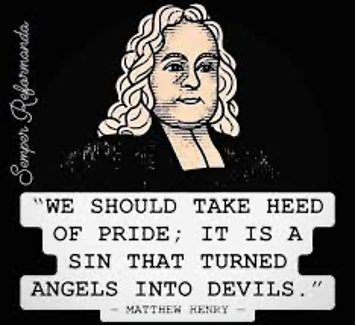
Proverbs 11:2 ESV
Before destruction a man's heart is haughty, but humility comes before honor.
We must be careful in our assurance in salvation not to think too highly of ourselves. We must remember that all salvation is by the grace of God. We live in a time when we are taught from birth that we must earn our way in this world. That it is your work ethic and drive that determines each person’s success. And some project this to their own salvation. But as this scripture reminds us, that pride in oneself is not a good thing. In proverbs alone there are more than a dozen references about pride and humility. And when we expanded that scripture there were 80 references to humility and over 200 involving arrogance.
We must remember that we are no better than any other person. That we are all sinners and not worthy of God’s grace. If we do not take this stance then how many others will we discourage from coming to know Jesus because they see themselves as unworthy. We need to follow that which Jesus wrote is Luke 6:37 “Judge not, and you shall not be judged; condemn not, and you shall not be condemned; forgive, and you will be forgiven”. Jesus came to save us all and we must have humility in our own salvation and empathy in our interaction with others. Remembering that none of us are worthy of God’s grace and forgiveness yet God gives to all that ask.
Before destruction a man's heart is haughty, but humility comes before honor.
We must be careful in our assurance in salvation not to think too highly of ourselves. We must remember that all salvation is by the grace of God. We live in a time when we are taught from birth that we must earn our way in this world. That it is your work ethic and drive that determines each person’s success. And some project this to their own salvation. But as this scripture reminds us, that pride in oneself is not a good thing. In proverbs alone there are more than a dozen references about pride and humility. And when we expanded that scripture there were 80 references to humility and over 200 involving arrogance.
We must remember that we are no better than any other person. That we are all sinners and not worthy of God’s grace. If we do not take this stance then how many others will we discourage from coming to know Jesus because they see themselves as unworthy. We need to follow that which Jesus wrote is Luke 6:37 “Judge not, and you shall not be judged; condemn not, and you shall not be condemned; forgive, and you will be forgiven”. Jesus came to save us all and we must have humility in our own salvation and empathy in our interaction with others. Remembering that none of us are worthy of God’s grace and forgiveness yet God gives to all that ask.
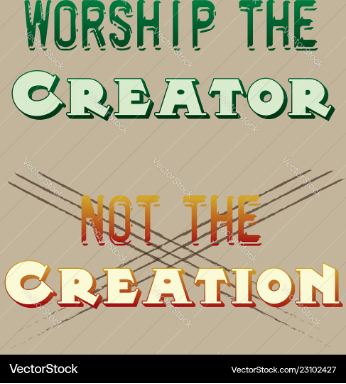
Genesis 1:1 – 2
1 In the beginning God created the heavens and the earth. 2 Now the earth was formless and empty, darkness was over the surface of the deep, and the Spirit of God was hovering over the waters.
I have only included the first two verses of the creation story because it is too long to share here. But if you have the time, read all of Genesis Chapter 1.
The reason that I chose this for today is that we need to understand something. That creation by God did not end on the sixth day. My very first class for Course of Study the teacher talked about a creator God. I remember listening to him but not fully comprehending what he was saying. The reason for that is the same for most of us. We need to come to the realization that God continues to create every day. There is no limit to God’s creation because there is no limit to God. We as humans cannot understand this because we are finite beings.
Most of our earthly problems stem from the idea that there is a finite amount of everything, including the love and gifts of God. Nothing could be further from the truth. And because of this belief in limited supply we then are drawn to compete for that limited love and gifts. We then work to acquire more of these gifts and hoard them so when they do run out. Guaranteeing we then will still have ours when the supply runs out. But if we transition to a belief that God, being infinite, continues to create then we move past the need to accumulate and into the space of sharing. We then can give as God would want us too. Because there is no fear that we will run out. Only when we place our faith in an infinite God and God’s promise of love and grace can we see and live into what Jesus calls the Kingdom of Heaven. That peace comes not from the finite we can earn but to the infinite God can give. And with this, we know that God’s well will never run dry.
1 In the beginning God created the heavens and the earth. 2 Now the earth was formless and empty, darkness was over the surface of the deep, and the Spirit of God was hovering over the waters.
I have only included the first two verses of the creation story because it is too long to share here. But if you have the time, read all of Genesis Chapter 1.
The reason that I chose this for today is that we need to understand something. That creation by God did not end on the sixth day. My very first class for Course of Study the teacher talked about a creator God. I remember listening to him but not fully comprehending what he was saying. The reason for that is the same for most of us. We need to come to the realization that God continues to create every day. There is no limit to God’s creation because there is no limit to God. We as humans cannot understand this because we are finite beings.
Most of our earthly problems stem from the idea that there is a finite amount of everything, including the love and gifts of God. Nothing could be further from the truth. And because of this belief in limited supply we then are drawn to compete for that limited love and gifts. We then work to acquire more of these gifts and hoard them so when they do run out. Guaranteeing we then will still have ours when the supply runs out. But if we transition to a belief that God, being infinite, continues to create then we move past the need to accumulate and into the space of sharing. We then can give as God would want us too. Because there is no fear that we will run out. Only when we place our faith in an infinite God and God’s promise of love and grace can we see and live into what Jesus calls the Kingdom of Heaven. That peace comes not from the finite we can earn but to the infinite God can give. And with this, we know that God’s well will never run dry.

1 John 4:19 – 20
19 We love because he first loved us. 20 Whoever claims to love God yet hates a brother or sister is a liar. For whoever does not love their brother and sister, whom they have seen, cannot love God, whom they have not seen. 21 And he has given us this command: Anyone who loves God must also love their brother and sister.
Love, Love, Love, the very thing that is commanded by God for all to do. To love God and to love our brothers and sisters. That word love is used 46 times in 1 John 4 alone and as many times as 645 times (New Living Translation) in the New Testament. But just like anything else it is not enough to say the words if they are not put into deeds. There are many today that claim to love God yet express hate for others. When this is done we are not living as God has commanded.
We find ourselves struggling to love our brothers and sisters. We need to remind ourselves of the term “imago Dei” Image of God. This is how we were all created and how God sees us all. We then must work towards seeing all in the image by which they were created, not the image the world projects them to be. In doing this we can then work towards our own sanctification while modeling God’s love for those that might need to see it most.
19 We love because he first loved us. 20 Whoever claims to love God yet hates a brother or sister is a liar. For whoever does not love their brother and sister, whom they have seen, cannot love God, whom they have not seen. 21 And he has given us this command: Anyone who loves God must also love their brother and sister.
Love, Love, Love, the very thing that is commanded by God for all to do. To love God and to love our brothers and sisters. That word love is used 46 times in 1 John 4 alone and as many times as 645 times (New Living Translation) in the New Testament. But just like anything else it is not enough to say the words if they are not put into deeds. There are many today that claim to love God yet express hate for others. When this is done we are not living as God has commanded.
We find ourselves struggling to love our brothers and sisters. We need to remind ourselves of the term “imago Dei” Image of God. This is how we were all created and how God sees us all. We then must work towards seeing all in the image by which they were created, not the image the world projects them to be. In doing this we can then work towards our own sanctification while modeling God’s love for those that might need to see it most.

𝐈𝐬𝐚𝐢𝐚𝐡 𝟓: 𝟐𝟎, 𝟐𝟑
𝟐𝟎 𝐖𝐨𝐞 𝐭𝐨 𝐭𝐡𝐨𝐬𝐞 𝐰𝐡𝐨 𝐜𝐚𝐥𝐥 𝐞𝐯𝐢𝐥 𝐠𝐨𝐨𝐝
𝐚𝐧𝐝 𝐠𝐨𝐨𝐝 𝐞𝐯𝐢𝐥,
𝐰𝐡𝐨 𝐩𝐮𝐭 𝐝𝐚𝐫𝐤𝐧𝐞𝐬𝐬 𝐟𝐨𝐫 𝐥𝐢𝐠𝐡𝐭
𝐚𝐧𝐝 𝐥𝐢𝐠𝐡𝐭 𝐟𝐨𝐫 𝐝𝐚𝐫𝐤𝐧𝐞𝐬𝐬,
𝐰𝐡𝐨 𝐩𝐮𝐭 𝐛𝐢𝐭𝐭𝐞𝐫 𝐟𝐨𝐫 𝐬𝐰𝐞𝐞𝐭
𝐚𝐧𝐝 𝐬𝐰𝐞𝐞𝐭 𝐟𝐨𝐫 𝐛𝐢𝐭𝐭𝐞𝐫.
𝟐𝟑 𝐰𝐡𝐨 𝐚𝐜𝐪𝐮𝐢𝐭 𝐭𝐡𝐞 𝐠𝐮𝐢𝐥𝐭𝐲 𝐟𝐨𝐫 𝐚 𝐛𝐫𝐢𝐛𝐞,
𝐛𝐮𝐭 𝐝𝐞𝐧𝐲 𝐣𝐮𝐬𝐭𝐢𝐜𝐞 𝐭𝐨 𝐭𝐡𝐞 𝐢𝐧𝐧𝐨𝐜𝐞𝐧𝐭.
We need to remember what it was that led to the exile that Isaiah writes about. The fundamental failure was that the people were lead away from God’s covenant by leaders that were not consistent in their following of the mosaic law. And through their lead became the selfish beings that humans are when they live outside of God. They started to put their faith in men, not God.
The same has been true throughout history and we are cycling back again. We are bombarded everyday by two realities. We must then choose which is the one that is in service of God and which is driven by man. What we must recognize is that what we see in our world today is God’s plan skewed to meet man’s desire. We must test all by the full word of God, not just the parts that match our world view.
God’s view of the world is one of love of others, of being a servant first, and celebrating the diversity of God’s continued creation. So, when we are trying to decide in whom to put our faith there is only one answer. Our faith must remain in God and all God’s word. When we do this by his will, we then receive that peace that is promised in scripture. And in so doing recognize good from evil and light from dark.
𝟐𝟎 𝐖𝐨𝐞 𝐭𝐨 𝐭𝐡𝐨𝐬𝐞 𝐰𝐡𝐨 𝐜𝐚𝐥𝐥 𝐞𝐯𝐢𝐥 𝐠𝐨𝐨𝐝
𝐚𝐧𝐝 𝐠𝐨𝐨𝐝 𝐞𝐯𝐢𝐥,
𝐰𝐡𝐨 𝐩𝐮𝐭 𝐝𝐚𝐫𝐤𝐧𝐞𝐬𝐬 𝐟𝐨𝐫 𝐥𝐢𝐠𝐡𝐭
𝐚𝐧𝐝 𝐥𝐢𝐠𝐡𝐭 𝐟𝐨𝐫 𝐝𝐚𝐫𝐤𝐧𝐞𝐬𝐬,
𝐰𝐡𝐨 𝐩𝐮𝐭 𝐛𝐢𝐭𝐭𝐞𝐫 𝐟𝐨𝐫 𝐬𝐰𝐞𝐞𝐭
𝐚𝐧𝐝 𝐬𝐰𝐞𝐞𝐭 𝐟𝐨𝐫 𝐛𝐢𝐭𝐭𝐞𝐫.
𝟐𝟑 𝐰𝐡𝐨 𝐚𝐜𝐪𝐮𝐢𝐭 𝐭𝐡𝐞 𝐠𝐮𝐢𝐥𝐭𝐲 𝐟𝐨𝐫 𝐚 𝐛𝐫𝐢𝐛𝐞,
𝐛𝐮𝐭 𝐝𝐞𝐧𝐲 𝐣𝐮𝐬𝐭𝐢𝐜𝐞 𝐭𝐨 𝐭𝐡𝐞 𝐢𝐧𝐧𝐨𝐜𝐞𝐧𝐭.
We need to remember what it was that led to the exile that Isaiah writes about. The fundamental failure was that the people were lead away from God’s covenant by leaders that were not consistent in their following of the mosaic law. And through their lead became the selfish beings that humans are when they live outside of God. They started to put their faith in men, not God.
The same has been true throughout history and we are cycling back again. We are bombarded everyday by two realities. We must then choose which is the one that is in service of God and which is driven by man. What we must recognize is that what we see in our world today is God’s plan skewed to meet man’s desire. We must test all by the full word of God, not just the parts that match our world view.
God’s view of the world is one of love of others, of being a servant first, and celebrating the diversity of God’s continued creation. So, when we are trying to decide in whom to put our faith there is only one answer. Our faith must remain in God and all God’s word. When we do this by his will, we then receive that peace that is promised in scripture. And in so doing recognize good from evil and light from dark.

Matthew 7:12
So in everything, do to others what you would have them do to you, for this sums up the Law and the Prophets.
As I was preparing for this week’s devotionals my mind went to the Golden Rule. We were all taught this as children. Over my years of teaching, I would frequently use this as an example within the classroom. When I started teaching as soon as I would mention the Golden Rule the students would know immediately what I was referring to. But as the years went on I found myself needing to explain what I was referring to. And by the time that I retired from teaching I quit using the term Golden Rule. Instead I explained what it was.
I write this so that we as Christians might take ownership in this demise. This is not something that the school should teach but something that a society has to choose to emphasize. And to take this one step further, not only do we need to teach the words that were shared first with us in the Sermon on the Mount but we need to model them in our lives. Too many Christians today claim that the Golden Rule is how we should live but then exhibit behaviors that are contrary to it’s very teachings
Below is the graphic that I choose for this devotional. The things that are attached to the title are the behaviors that we are called to show in our everyday lives. These are not words we preach to others but must put into action. It is also the action that we should demand of our leaders. Please take a moment today and reflect on how you might better live by this simple rule for which Christ commands his followers to obey.
So in everything, do to others what you would have them do to you, for this sums up the Law and the Prophets.
As I was preparing for this week’s devotionals my mind went to the Golden Rule. We were all taught this as children. Over my years of teaching, I would frequently use this as an example within the classroom. When I started teaching as soon as I would mention the Golden Rule the students would know immediately what I was referring to. But as the years went on I found myself needing to explain what I was referring to. And by the time that I retired from teaching I quit using the term Golden Rule. Instead I explained what it was.
I write this so that we as Christians might take ownership in this demise. This is not something that the school should teach but something that a society has to choose to emphasize. And to take this one step further, not only do we need to teach the words that were shared first with us in the Sermon on the Mount but we need to model them in our lives. Too many Christians today claim that the Golden Rule is how we should live but then exhibit behaviors that are contrary to it’s very teachings
Below is the graphic that I choose for this devotional. The things that are attached to the title are the behaviors that we are called to show in our everyday lives. These are not words we preach to others but must put into action. It is also the action that we should demand of our leaders. Please take a moment today and reflect on how you might better live by this simple rule for which Christ commands his followers to obey.

𝐏𝐡𝐢𝐥𝐢𝐩𝐩𝐢𝐚𝐧𝐬 𝟑:𝟏𝟐 - 𝟏𝟒 (𝐓𝐡𝐞 𝐌𝐞𝐬𝐬𝐚𝐠𝐞)
𝐈’𝐦 𝐧𝐨𝐭 𝐬𝐚𝐲𝐢𝐧𝐠 𝐭𝐡𝐚𝐭 𝐈 𝐡𝐚𝐯𝐞 𝐭𝐡𝐢𝐬 𝐚𝐥𝐥 𝐭𝐨𝐠𝐞𝐭𝐡𝐞𝐫, 𝐭𝐡𝐚𝐭 𝐈 𝐡𝐚𝐯𝐞 𝐢𝐭 𝐦𝐚𝐝𝐞. 𝐁𝐮𝐭 𝐈 𝐚𝐦 𝐰𝐞𝐥𝐥 𝐨𝐧 𝐦𝐲 𝐰𝐚𝐲, 𝐫𝐞𝐚𝐜𝐡𝐢𝐧𝐠 𝐨𝐮𝐭 𝐟𝐨𝐫 𝐂𝐡𝐫𝐢𝐬𝐭, 𝐰𝐡𝐨 𝐡𝐚𝐬 𝐬𝐨 𝐰𝐨𝐧𝐝𝐫𝐨𝐮𝐬𝐥𝐲 𝐫𝐞𝐚𝐜𝐡𝐞𝐝 𝐨𝐮𝐭 𝐟𝐨𝐫 𝐦𝐞. 𝐅𝐫𝐢𝐞𝐧𝐝𝐬, 𝐝𝐨𝐧’𝐭 𝐠𝐞𝐭 𝐦𝐞 𝐰𝐫𝐨𝐧𝐠: 𝐁𝐲 𝐧𝐨 𝐦𝐞𝐚𝐧𝐬 𝐝𝐨 𝐈 𝐜𝐨𝐮𝐧𝐭 𝐦𝐲𝐬𝐞𝐥𝐟 𝐚𝐧 𝐞𝐱𝐩𝐞𝐫𝐭 𝐢𝐧 𝐚𝐥𝐥 𝐨𝐟 𝐭𝐡𝐢𝐬, 𝐛𝐮𝐭 𝐈’𝐯𝐞 𝐠𝐨𝐭 𝐦𝐲 𝐞𝐲𝐞 𝐨𝐧 𝐭𝐡𝐞 𝐠𝐨𝐚𝐥, 𝐰𝐡𝐞𝐫𝐞 𝐆𝐨𝐝 𝐢𝐬 𝐛𝐞𝐜𝐤𝐨𝐧𝐢𝐧𝐠 𝐮𝐬 𝐨𝐧𝐰𝐚𝐫𝐝—𝐭𝐨 𝐉𝐞𝐬𝐮𝐬. 𝐈’𝐦 𝐨𝐟𝐟 𝐚𝐧𝐝 𝐫𝐮𝐧𝐧𝐢𝐧𝐠, 𝐚𝐧𝐝 𝐈’𝐦 𝐧𝐨𝐭 𝐭𝐮𝐫𝐧𝐢𝐧𝐠 𝐛𝐚𝐜𝐤.
I find the words of Paul here so encouraging. Far too often we in our pursuit of perfection we feel like failures. And with that comes a sense of despair and even hopelessness. We can never be perfect as humans. So, what is the point of even trying? This is the evil of this world working to separate us from God’s love and the good that we can all do. Evil does not win when we fail. Evil wins when we give up.
If we were meant to be perfect, then there would be no reason for grace. Time and time again in scripture we are told that it is by grace not works that we are saved. But that there is a joy and peace that we receive in those moments when we live as Christ called us to. And as we grow in our faith and understanding of God’s will In our lives, we achieve a calm assurance in knowing that we are God’s children.
So do not let your imperfection drag you down. Celebrate your success. Recognize your shortcomings. Work towards the progress of becoming more Christ-like. Accepting God’s grace for you in all that you do.
𝐈’𝐦 𝐧𝐨𝐭 𝐬𝐚𝐲𝐢𝐧𝐠 𝐭𝐡𝐚𝐭 𝐈 𝐡𝐚𝐯𝐞 𝐭𝐡𝐢𝐬 𝐚𝐥𝐥 𝐭𝐨𝐠𝐞𝐭𝐡𝐞𝐫, 𝐭𝐡𝐚𝐭 𝐈 𝐡𝐚𝐯𝐞 𝐢𝐭 𝐦𝐚𝐝𝐞. 𝐁𝐮𝐭 𝐈 𝐚𝐦 𝐰𝐞𝐥𝐥 𝐨𝐧 𝐦𝐲 𝐰𝐚𝐲, 𝐫𝐞𝐚𝐜𝐡𝐢𝐧𝐠 𝐨𝐮𝐭 𝐟𝐨𝐫 𝐂𝐡𝐫𝐢𝐬𝐭, 𝐰𝐡𝐨 𝐡𝐚𝐬 𝐬𝐨 𝐰𝐨𝐧𝐝𝐫𝐨𝐮𝐬𝐥𝐲 𝐫𝐞𝐚𝐜𝐡𝐞𝐝 𝐨𝐮𝐭 𝐟𝐨𝐫 𝐦𝐞. 𝐅𝐫𝐢𝐞𝐧𝐝𝐬, 𝐝𝐨𝐧’𝐭 𝐠𝐞𝐭 𝐦𝐞 𝐰𝐫𝐨𝐧𝐠: 𝐁𝐲 𝐧𝐨 𝐦𝐞𝐚𝐧𝐬 𝐝𝐨 𝐈 𝐜𝐨𝐮𝐧𝐭 𝐦𝐲𝐬𝐞𝐥𝐟 𝐚𝐧 𝐞𝐱𝐩𝐞𝐫𝐭 𝐢𝐧 𝐚𝐥𝐥 𝐨𝐟 𝐭𝐡𝐢𝐬, 𝐛𝐮𝐭 𝐈’𝐯𝐞 𝐠𝐨𝐭 𝐦𝐲 𝐞𝐲𝐞 𝐨𝐧 𝐭𝐡𝐞 𝐠𝐨𝐚𝐥, 𝐰𝐡𝐞𝐫𝐞 𝐆𝐨𝐝 𝐢𝐬 𝐛𝐞𝐜𝐤𝐨𝐧𝐢𝐧𝐠 𝐮𝐬 𝐨𝐧𝐰𝐚𝐫𝐝—𝐭𝐨 𝐉𝐞𝐬𝐮𝐬. 𝐈’𝐦 𝐨𝐟𝐟 𝐚𝐧𝐝 𝐫𝐮𝐧𝐧𝐢𝐧𝐠, 𝐚𝐧𝐝 𝐈’𝐦 𝐧𝐨𝐭 𝐭𝐮𝐫𝐧𝐢𝐧𝐠 𝐛𝐚𝐜𝐤.
I find the words of Paul here so encouraging. Far too often we in our pursuit of perfection we feel like failures. And with that comes a sense of despair and even hopelessness. We can never be perfect as humans. So, what is the point of even trying? This is the evil of this world working to separate us from God’s love and the good that we can all do. Evil does not win when we fail. Evil wins when we give up.
If we were meant to be perfect, then there would be no reason for grace. Time and time again in scripture we are told that it is by grace not works that we are saved. But that there is a joy and peace that we receive in those moments when we live as Christ called us to. And as we grow in our faith and understanding of God’s will In our lives, we achieve a calm assurance in knowing that we are God’s children.
So do not let your imperfection drag you down. Celebrate your success. Recognize your shortcomings. Work towards the progress of becoming more Christ-like. Accepting God’s grace for you in all that you do.

𝐆𝐚𝐥𝐚𝐭𝐢𝐚𝐧𝐬 𝟔:𝟑 – 𝟒 (𝐍𝐈𝐕)
𝟑 𝐈𝐟 𝐚𝐧𝐲𝐨𝐧𝐞 𝐭𝐡𝐢𝐧𝐤𝐬 𝐭𝐡𝐞𝐲 𝐚𝐫𝐞 𝐬𝐨𝐦𝐞𝐭𝐡𝐢𝐧𝐠 𝐰𝐡𝐞𝐧 𝐭𝐡𝐞𝐲 𝐚𝐫𝐞 𝐧𝐨𝐭, 𝐭𝐡𝐞𝐲 𝐝𝐞𝐜𝐞𝐢𝐯𝐞 𝐭𝐡𝐞𝐦𝐬𝐞𝐥𝐯𝐞𝐬. 𝟒 𝐄𝐚𝐜𝐡 𝐨𝐧𝐞 𝐬𝐡𝐨𝐮𝐥𝐝 𝐭𝐞𝐬𝐭 𝐭𝐡𝐞𝐢𝐫 𝐨𝐰𝐧 𝐚𝐜𝐭𝐢𝐨𝐧𝐬. 𝐓𝐡𝐞𝐧 𝐭𝐡𝐞𝐲 𝐜𝐚𝐧 𝐭𝐚𝐤𝐞 𝐩𝐫𝐢𝐝𝐞 𝐢𝐧 𝐭𝐡𝐞𝐦𝐬𝐞𝐥𝐯𝐞𝐬 𝐚𝐥𝐨𝐧𝐞, 𝐰𝐢𝐭𝐡𝐨𝐮𝐭 𝐜𝐨𝐦𝐩𝐚𝐫𝐢𝐧𝐠 𝐭𝐡𝐞𝐦𝐬𝐞𝐥𝐯𝐞𝐬 𝐭𝐨 𝐬𝐨𝐦𝐞𝐨𝐧𝐞 𝐞𝐥𝐬𝐞
We must all remain humble in all that we do. This does not mean that we are not to celebrate those times when we do the right things. We most certainly should. But it is as important to recognize when we fall short as well. No one is perfect. In fact, we are far from it. And we cannot improve until we recognize our shortcomings and resolve to improve.
Jesus taught us to remove the plank from our own eye before we looked for the spec in our neighbors. Humility, empathy and love are the characteristics Christ called for us all to be those by which we live. And we must work hard to make these the base in which we interact with all.
𝟑 𝐈𝐟 𝐚𝐧𝐲𝐨𝐧𝐞 𝐭𝐡𝐢𝐧𝐤𝐬 𝐭𝐡𝐞𝐲 𝐚𝐫𝐞 𝐬𝐨𝐦𝐞𝐭𝐡𝐢𝐧𝐠 𝐰𝐡𝐞𝐧 𝐭𝐡𝐞𝐲 𝐚𝐫𝐞 𝐧𝐨𝐭, 𝐭𝐡𝐞𝐲 𝐝𝐞𝐜𝐞𝐢𝐯𝐞 𝐭𝐡𝐞𝐦𝐬𝐞𝐥𝐯𝐞𝐬. 𝟒 𝐄𝐚𝐜𝐡 𝐨𝐧𝐞 𝐬𝐡𝐨𝐮𝐥𝐝 𝐭𝐞𝐬𝐭 𝐭𝐡𝐞𝐢𝐫 𝐨𝐰𝐧 𝐚𝐜𝐭𝐢𝐨𝐧𝐬. 𝐓𝐡𝐞𝐧 𝐭𝐡𝐞𝐲 𝐜𝐚𝐧 𝐭𝐚𝐤𝐞 𝐩𝐫𝐢𝐝𝐞 𝐢𝐧 𝐭𝐡𝐞𝐦𝐬𝐞𝐥𝐯𝐞𝐬 𝐚𝐥𝐨𝐧𝐞, 𝐰𝐢𝐭𝐡𝐨𝐮𝐭 𝐜𝐨𝐦𝐩𝐚𝐫𝐢𝐧𝐠 𝐭𝐡𝐞𝐦𝐬𝐞𝐥𝐯𝐞𝐬 𝐭𝐨 𝐬𝐨𝐦𝐞𝐨𝐧𝐞 𝐞𝐥𝐬𝐞
We must all remain humble in all that we do. This does not mean that we are not to celebrate those times when we do the right things. We most certainly should. But it is as important to recognize when we fall short as well. No one is perfect. In fact, we are far from it. And we cannot improve until we recognize our shortcomings and resolve to improve.
Jesus taught us to remove the plank from our own eye before we looked for the spec in our neighbors. Humility, empathy and love are the characteristics Christ called for us all to be those by which we live. And we must work hard to make these the base in which we interact with all.
