Matthew 7:1 – 5 (The Message)
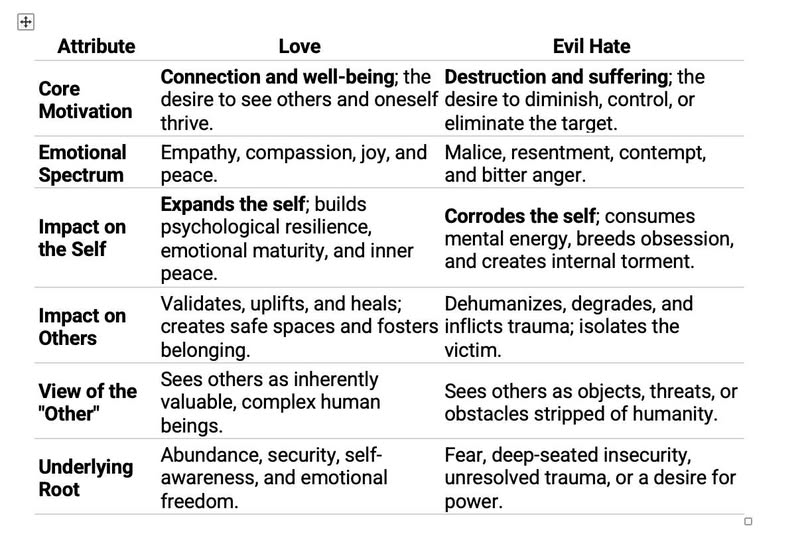
7 1-5 “Don’t pick on people, jump on their failures, criticize their faults—unless, of course, you want the same treatment. That critical spirit has a way of boomeranging. It’s easy to see a smudge on your neighbor’s face and be oblivious to the ugly sneer on your own. Do you have the nerve to say, ‘Let me wash your face for you,’ when your own face is distorted by contempt? It’s this whole traveling road-show mentality all over again, playing a holier-than-thou part instead of just living your part. Wipe that ugly sneer off your own face, and you might be fit to offer a washcloth to your neighbor.

Colossians 4:2
Devote yourselves to prayer, being watchful and thankful.
Recognizing God’s Answers
How often have you prayed to God for help or direction? We do this all the time, and we know that God answers our prayers—not always in the way we would like or at the time we desire. In fact, many times when we think God has not been there for us, it is probably because He has answered our prayers in one of these two ways.
It is easy to become wrapped up in our own worldview and desires. When God’s answer does not meet our personal expectations, we may miss recognizing it as an answer at all. Our understanding of what we need does not always align with what God knows is best for us.
Let us thank God today and every day for answering our prayers, even when God’s answers are not to our liking. We should have absolute faith in our loving God, who will always place our ultimate needs ahead of our immature wants.
For this, we should give thanks to our loving God daily, never losing faith in God’s love, grace, and desire for each of us to know the joy for which we were created.
Devote yourselves to prayer, being watchful and thankful.
Recognizing God’s Answers
How often have you prayed to God for help or direction? We do this all the time, and we know that God answers our prayers—not always in the way we would like or at the time we desire. In fact, many times when we think God has not been there for us, it is probably because He has answered our prayers in one of these two ways.
It is easy to become wrapped up in our own worldview and desires. When God’s answer does not meet our personal expectations, we may miss recognizing it as an answer at all. Our understanding of what we need does not always align with what God knows is best for us.
Let us thank God today and every day for answering our prayers, even when God’s answers are not to our liking. We should have absolute faith in our loving God, who will always place our ultimate needs ahead of our immature wants.
For this, we should give thanks to our loving God daily, never losing faith in God’s love, grace, and desire for each of us to know the joy for which we were created.

Ephesians 5:15-16
“Look carefully then how you walk, not as unwise but as wise, making the best use of the time, because the days are evil.”
Trusting God When Life Feels Overwhelming
Have you ever been so busy that you wondered how you would ever get everything done? We have all experienced moments like this. When our responsibilities seem to pile up, we must make value judgments about what needs to be done immediately and what can wait. Unfortunately, too often, our time with God is the first thing we allow to suffer. I find myself in that situation even now.
Yet we should remember that God is the One who sees us through everything. I recall one morning when I had so much to do that I believed I would never accomplish it all. Instead of trying to manage everything on my own, I took time to pray and ask God for help.
As I worked through the morning, I lost all track of time. When I had finished everything I needed to accomplish, I finally looked at the clock, worried about how late it might be. To my amazement, it was shortly after noon. I sat there wondering whether I had worked at an incredible speed or whether time had somehow slowed down. Then I realized that God had answered my prayer for help.
I am not suggesting that we should procrastinate and expect God to complete what we have neglected. Rather, I hope we recognize that God is truly there for us at all times. When we feel overwhelmed by life and find ourselves ready to pull out our hair because there seems to be no way to get everything done, we should not skip prayer in an attempt to save time.
Instead, we should lean into God and pray for His guidance. When we bring our concerns to Him, God can amaze us with the results.
“Look carefully then how you walk, not as unwise but as wise, making the best use of the time, because the days are evil.”
Trusting God When Life Feels Overwhelming
Have you ever been so busy that you wondered how you would ever get everything done? We have all experienced moments like this. When our responsibilities seem to pile up, we must make value judgments about what needs to be done immediately and what can wait. Unfortunately, too often, our time with God is the first thing we allow to suffer. I find myself in that situation even now.
Yet we should remember that God is the One who sees us through everything. I recall one morning when I had so much to do that I believed I would never accomplish it all. Instead of trying to manage everything on my own, I took time to pray and ask God for help.
As I worked through the morning, I lost all track of time. When I had finished everything I needed to accomplish, I finally looked at the clock, worried about how late it might be. To my amazement, it was shortly after noon. I sat there wondering whether I had worked at an incredible speed or whether time had somehow slowed down. Then I realized that God had answered my prayer for help.
I am not suggesting that we should procrastinate and expect God to complete what we have neglected. Rather, I hope we recognize that God is truly there for us at all times. When we feel overwhelmed by life and find ourselves ready to pull out our hair because there seems to be no way to get everything done, we should not skip prayer in an attempt to save time.
Instead, we should lean into God and pray for His guidance. When we bring our concerns to Him, God can amaze us with the results.

Romans 12:6 – 8
6 We all have different gifts. Each gift came because of the grace God gave us. Whoever has the gift of prophecy should use that gift in a way that fits the kind of faith they have. 7 Whoever has the gift of serving should serve. Whoever has the gift of teaching should teach. 8 Whoever has the gift of comforting others should do that. Whoever has the gift of giving to help others should give generously. Whoever has the gift of leading should work hard at it. Whoever has the gift of showing kindness to others should do it gladly.
Recognizing and Using God-Given Gifts
We all possess gifts that are from God. These gifts are not merely presents we receive, but rather special abilities in which we excel. Often, these are things we genuinely enjoy doing, and many people refer to them as talents.
Most individuals make use of their talents and the recognition that comes with them. The world encourages us to believe that we are special and should take pride in our accomplishments. While many enjoy their gifts, they often fail to recognize these abilities as gifts from God, and thus miss out on experiencing the full joy that comes with using their talents.
When we acknowledge our talents as gifts from God, two important things happen. First, we give credit to God for blessing us with these abilities, understanding that each time we use them, we are called to glorify God. Second, we receive a joy similar to the excitement we felt as children when receiving a special gift. God wants us to experience this joy every time we make use of the gifts He has given us, fulfilling the joy promised throughout scripture.
Therefore, the next time you use a talent or special gift from God, do not simply be happy in the moment. Take time to celebrate and appreciate the gifts God has given you. By doing so, you can experience God's joy in everything you do.
6 We all have different gifts. Each gift came because of the grace God gave us. Whoever has the gift of prophecy should use that gift in a way that fits the kind of faith they have. 7 Whoever has the gift of serving should serve. Whoever has the gift of teaching should teach. 8 Whoever has the gift of comforting others should do that. Whoever has the gift of giving to help others should give generously. Whoever has the gift of leading should work hard at it. Whoever has the gift of showing kindness to others should do it gladly.
Recognizing and Using God-Given Gifts
We all possess gifts that are from God. These gifts are not merely presents we receive, but rather special abilities in which we excel. Often, these are things we genuinely enjoy doing, and many people refer to them as talents.
Most individuals make use of their talents and the recognition that comes with them. The world encourages us to believe that we are special and should take pride in our accomplishments. While many enjoy their gifts, they often fail to recognize these abilities as gifts from God, and thus miss out on experiencing the full joy that comes with using their talents.
When we acknowledge our talents as gifts from God, two important things happen. First, we give credit to God for blessing us with these abilities, understanding that each time we use them, we are called to glorify God. Second, we receive a joy similar to the excitement we felt as children when receiving a special gift. God wants us to experience this joy every time we make use of the gifts He has given us, fulfilling the joy promised throughout scripture.
Therefore, the next time you use a talent or special gift from God, do not simply be happy in the moment. Take time to celebrate and appreciate the gifts God has given you. By doing so, you can experience God's joy in everything you do.
Ephesians 4:1
I therefore, a prisoner for the Lord, urge you to walk in a manner worthy of the calling to which you have been called, with all humility and gentleness, with patience, bearing with one another in love, eager to maintain the unity of the Spirit in the bond of peace.
Responding to Differences: A Christian Perspective
When it comes to interacting with people whose political beliefs, worldview, or religious convictions differ from our own, we are presented with two distinct choices. The way we respond to these differences reveals much about our values and the foundation upon which we build our relationships.
The first option is to see those who are different from us as enemies—adversaries to be defeated at all costs. In this approach, any means are justified if they achieve the desired outcome. This mindset is rooted in the divisiveness and hostility that characterize much of the world’s thinking. By focusing on differences as wedges, we are distracted from the love by which God created us, and we become caught up in cycles of conflict and separation.
The second option is to follow Paul’s teachings to the Ephesians. This path calls us to humility and gentleness, acknowledging our own need for God’s grace. It encourages us to practice patience, understanding that genuine transformation takes time and rarely happens all at once. Above all, it reminds us to love others as God loves us, maintaining relationships that allow for mutual growth and understanding.
By relying on the Spirit, we can maintain a bond of peace that fosters ongoing, loving relationships. In such an environment, reconciliation becomes our ultimate goal, allowing us to grow together and reflect the love and unity that God desires for all His people.
I therefore, a prisoner for the Lord, urge you to walk in a manner worthy of the calling to which you have been called, with all humility and gentleness, with patience, bearing with one another in love, eager to maintain the unity of the Spirit in the bond of peace.
Responding to Differences: A Christian Perspective
When it comes to interacting with people whose political beliefs, worldview, or religious convictions differ from our own, we are presented with two distinct choices. The way we respond to these differences reveals much about our values and the foundation upon which we build our relationships.
The first option is to see those who are different from us as enemies—adversaries to be defeated at all costs. In this approach, any means are justified if they achieve the desired outcome. This mindset is rooted in the divisiveness and hostility that characterize much of the world’s thinking. By focusing on differences as wedges, we are distracted from the love by which God created us, and we become caught up in cycles of conflict and separation.
The second option is to follow Paul’s teachings to the Ephesians. This path calls us to humility and gentleness, acknowledging our own need for God’s grace. It encourages us to practice patience, understanding that genuine transformation takes time and rarely happens all at once. Above all, it reminds us to love others as God loves us, maintaining relationships that allow for mutual growth and understanding.
By relying on the Spirit, we can maintain a bond of peace that fosters ongoing, loving relationships. In such an environment, reconciliation becomes our ultimate goal, allowing us to grow together and reflect the love and unity that God desires for all His people.
Philippians 2:5 – 6 (Easy to Read Version)
5 In your life together, think the way Christ Jesus thought.
6 He was like God in every way,
but he did not think that his being equal with God was something to use for his own benefit.
The Example of Humility in Christ
Remaining humble is a trait that Jesus modeled for everyone to follow. Although He was God, He did not insist on being worshipped or praised. Instead, Jesus chose to live a simple life of service, demonstrating through His actions the same message He preached: that the last will be first. His humility was not just in words, but in the very way He lived each day, serving others and putting their needs above His own.
In today’s world, it is common to feel entitled to rewards or recognition for our actions, and many people measure their self-worth by the amount of praise they receive. This constant need for validation from others has led to a loss of the simple joy that comes from doing what is right, even when no one notices. True self-esteem is found in the inner peace that comes from living as God has called us to live—in love. While the excitement of being praised by others can be thrilling, it is ultimately fleeting. Pursuing the approval of others becomes an endless cycle, never fully satisfying, much like an addiction that always demands more.
Therefore, we should strive to be humble in everything we do, finding our joy and contentment in God rather than in the recognition of others. By living in this way, we follow Christ’s example—serving God and God alone, and experiencing a deeper and more lasting peace.
5 In your life together, think the way Christ Jesus thought.
6 He was like God in every way,
but he did not think that his being equal with God was something to use for his own benefit.
The Example of Humility in Christ
Remaining humble is a trait that Jesus modeled for everyone to follow. Although He was God, He did not insist on being worshipped or praised. Instead, Jesus chose to live a simple life of service, demonstrating through His actions the same message He preached: that the last will be first. His humility was not just in words, but in the very way He lived each day, serving others and putting their needs above His own.
In today’s world, it is common to feel entitled to rewards or recognition for our actions, and many people measure their self-worth by the amount of praise they receive. This constant need for validation from others has led to a loss of the simple joy that comes from doing what is right, even when no one notices. True self-esteem is found in the inner peace that comes from living as God has called us to live—in love. While the excitement of being praised by others can be thrilling, it is ultimately fleeting. Pursuing the approval of others becomes an endless cycle, never fully satisfying, much like an addiction that always demands more.
Therefore, we should strive to be humble in everything we do, finding our joy and contentment in God rather than in the recognition of others. By living in this way, we follow Christ’s example—serving God and God alone, and experiencing a deeper and more lasting peace.
Ephesians 5:1 – 2 (Easy-to-Read)
You are God’s dear children, so try to be like him. Live a life of love. Love others just as Christ loved us. He gave himself for us—a sweet-smelling offering and sacrifice to God.
Joy Through Unselfish Love
True joy is rooted in unselfish love, a principle that Jesus consistently taught and that is evident throughout the Gospels and the New Testament. However, we often confuse happiness with joy, seeing only our own fleeting excitement as the essence of joy. This misunderstanding leads us to mistake the thrill of acquiring material possessions for the deeper joy that comes from serving others. Unfortunately, the pursuit of material gain frequently happens at the expense of others, causing us to live in ways that go against God’s law.
The happiness we experience from obtaining possessions is always temporary and demands constant replenishment. In contrast, the joy that comes from serving others in love is enduring and surpasses human understanding. We can only serve Christ as we are called to do when we set aside our earthly desires for power and possessions, embracing the joy found in loving others.
You are God’s dear children, so try to be like him. Live a life of love. Love others just as Christ loved us. He gave himself for us—a sweet-smelling offering and sacrifice to God.
Joy Through Unselfish Love
True joy is rooted in unselfish love, a principle that Jesus consistently taught and that is evident throughout the Gospels and the New Testament. However, we often confuse happiness with joy, seeing only our own fleeting excitement as the essence of joy. This misunderstanding leads us to mistake the thrill of acquiring material possessions for the deeper joy that comes from serving others. Unfortunately, the pursuit of material gain frequently happens at the expense of others, causing us to live in ways that go against God’s law.
The happiness we experience from obtaining possessions is always temporary and demands constant replenishment. In contrast, the joy that comes from serving others in love is enduring and surpasses human understanding. We can only serve Christ as we are called to do when we set aside our earthly desires for power and possessions, embracing the joy found in loving others.
Romans 12:12
Be joyful in hope, patient in affliction, faithful in prayer.
Reflecting on Romans 12:12
As I read this scripture, I find it very relevant to our world today. We all witness circumstances that we wish were different, and often feel frustrated by the pace or direction of change. However, the beginning of the verse—"joy in hope, patience in affliction"—speaks directly to our current experiences. It serves as a reminder to find joy in knowing that God's love is always present with us, even during times of struggle.
Alongside finding joy and patience, we are called to be faithful in prayer. It is important to bring the stresses and challenges in our lives before God through prayer. Yet, our prayers should follow the example set in the Lord’s Prayer: "thy will be done," rather than "my will be done."
Prayer is meant to seek guidance for navigating difficulties, not to dictate solutions to God.
I have often said that God answers all prayers in one of three ways. The first is "yes," which is the response we hope for. The second is "no," which we may resist or feel frustrated by. The third is "not yet," a response that is frequently misunderstood as God not hearing us. However, each response is a true answer from God, and recognizing this should bring us back to the start of the verse:
"Be Joyful in hope and patient in affliction."
Be joyful in hope, patient in affliction, faithful in prayer.
Reflecting on Romans 12:12
As I read this scripture, I find it very relevant to our world today. We all witness circumstances that we wish were different, and often feel frustrated by the pace or direction of change. However, the beginning of the verse—"joy in hope, patience in affliction"—speaks directly to our current experiences. It serves as a reminder to find joy in knowing that God's love is always present with us, even during times of struggle.
Alongside finding joy and patience, we are called to be faithful in prayer. It is important to bring the stresses and challenges in our lives before God through prayer. Yet, our prayers should follow the example set in the Lord’s Prayer: "thy will be done," rather than "my will be done."
Prayer is meant to seek guidance for navigating difficulties, not to dictate solutions to God.
I have often said that God answers all prayers in one of three ways. The first is "yes," which is the response we hope for. The second is "no," which we may resist or feel frustrated by. The third is "not yet," a response that is frequently misunderstood as God not hearing us. However, each response is a true answer from God, and recognizing this should bring us back to the start of the verse:
"Be Joyful in hope and patient in affliction."